
2007
Dedicated breed experience
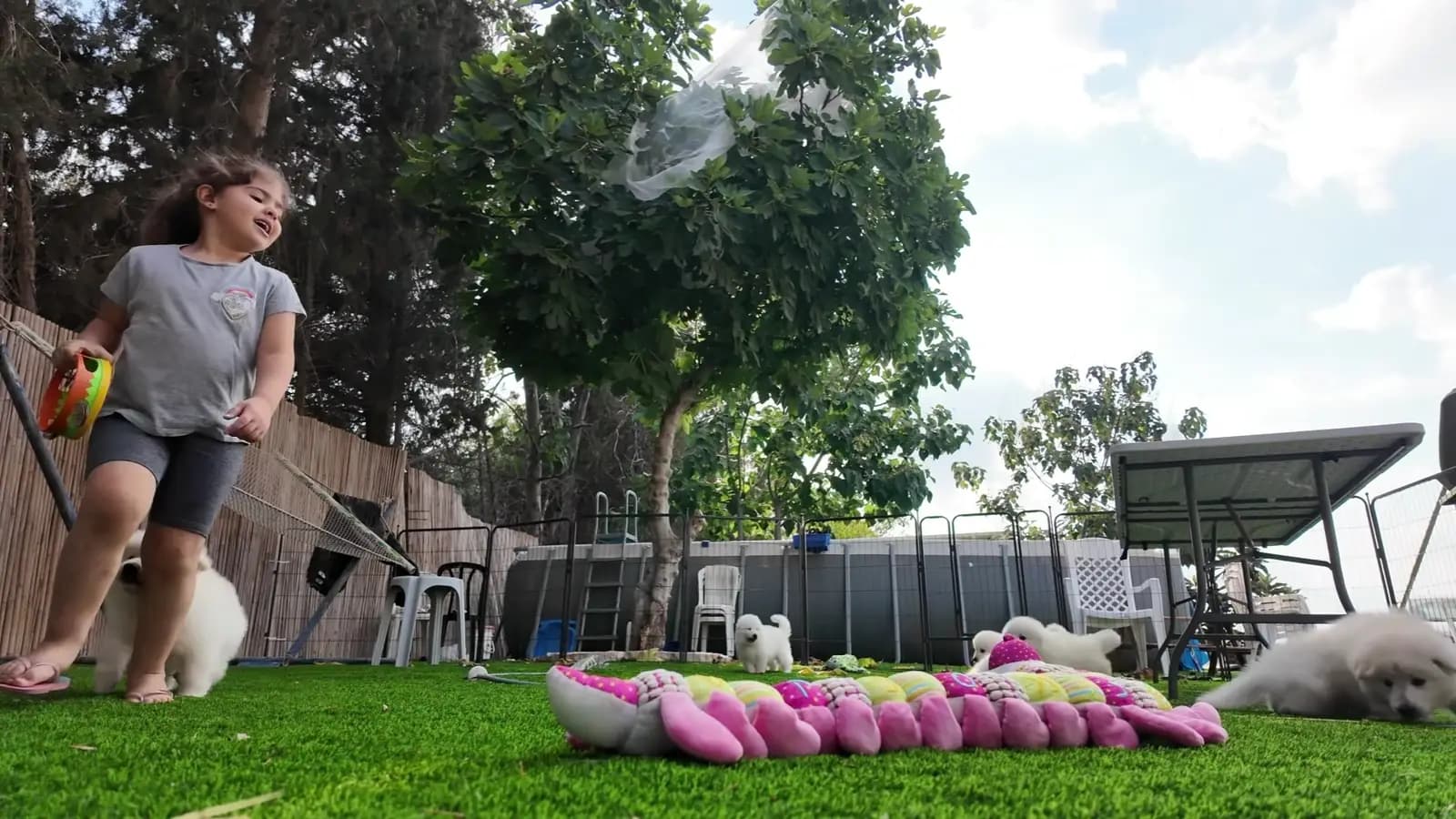
Therapy and emotional support
Not every White Swiss Shepherd is suited for therapy work, but the right puppy, raised correctly and trained professionally, can become a meaningful emotional partner for families and people who need a calm, attentive dog.
Raising White Swiss Shepherds since 2007
Therapy and emotional support
The strength of the White Swiss Shepherd is not only its beauty. A well-bred dog combines intelligence, loyalty, sensitivity to people, cooperation, and quiet presence. Those traits can create a strong foundation for family companionship or therapy-oriented work when the puppy is correctly matched and raised.
2007
Dedicated breed experience
1:1
Temperament-led puppy matching
DNA
Health and parent transparency
Support
Guidance after placement
The breed often reads tone, movement, and atmosphere. That sensitivity is powerful, but it needs calm, respectful handling.
White Swiss Shepherds usually enjoy cooperation and learning, an important foundation for therapy-oriented goals.
With structure, activity, and connection, the breed can develop a quiet presence that many families value deeply.
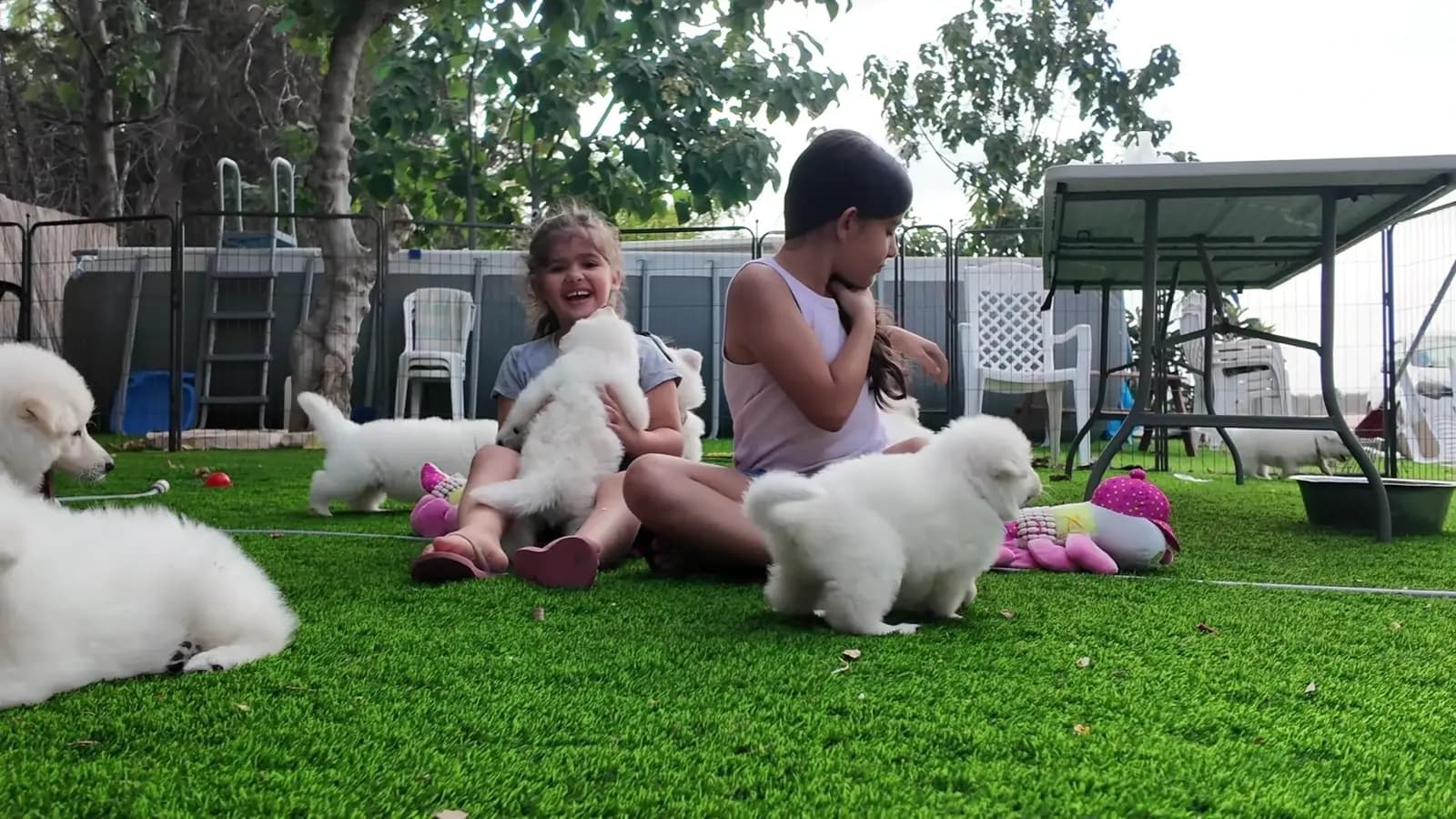
No breed guarantees that every puppy will become a therapy dog. Suitability begins with the individual: confidence, recovery, curiosity, focus, softness, and the ability to stay calm around people.
Therapy and emotional support
01
We ask about the family, routine, children, experience, and the actual need behind the inquiry.
02
We watch confidence, recovery, energy, closeness, and sensitivity over time.
03
Puppies are raised with people, children, cats, handling, and gradual exposure.
04
Therapy or service goals require professional training after placement.
A therapy dog works with people in therapeutic or educational settings, usually with a trained handler. An emotional support dog lives with a person and offers presence and routine. A service dog requires specialized task training.

Star of David
Star of David has raised White Swiss Shepherds since 2007 with deep breed knowledge, health awareness, and family-focused matching. For therapy-oriented inquiries, we first understand the person and the home, then discuss whether a specific puppy may fit.
Tell us about your family, lifestyle, and goals. A real match starts with a personal conversation.
No. The breed can have relevant traits, but suitability depends on the individual puppy, raising, training, and the handler's needs.
No. Appearance does not show recovery, confidence, sensitivity, focus, or calmness around people.
In many cases it can be a meaningful companion, but the puppy must be carefully matched and professional guidance may be needed.
No. A puppy can arrive with a good foundation and suitable temperament, but therapy or service work requires later professional training.
Tell us about the person, the need, your dog experience, daily routine, children, pets, and how much time you can invest.
Therapy and emotional support
Tell us about your family, lifestyle, and goals. A real match starts with a personal conversation.
Contact us on WhatsAppCookie use
We use cookies to make the website experience smoother and show more relevant content. You can continue without accepting.