The site is currently launching. We are updating photos and the dog profile pages.

Breed history

Behind the white coat and gentle expression is a story of preservation, professional breeding, and people who believed in an intelligent, noble family companion.

More than dates

The breed history explains why today’s White Swiss Shepherd can be such an impressive family dog: shepherd loyalty, high intelligence, human sensitivity, elegant movement, and a calm presence that quickly becomes part of home life.

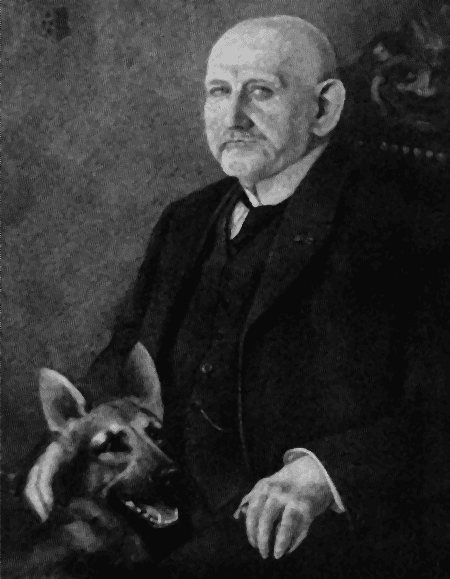
Captain Max von Stephanitz, a central figure in shepherd dog history
Captain von StephanitzSource: old website archive / breed history materials
1899

Where the documented story begins

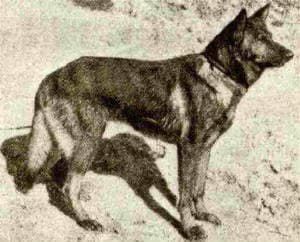
At the end of the 19th century, Captain Max von Stephanitz, a German cavalry officer and one of the most influential figures in shepherd dog history, wanted the ideal working shepherd: intelligent, useful, noble, brave, and connected to people. In 1899 he purchased Hektor Linkrsheim, renamed him Horand von Grafrath, and made him the first dog entered into the German Shepherd studbook. Horand carried the white gene, so the White Swiss Shepherd story begins inside von Stephanitz’s original vision of the ideal shepherd dog.
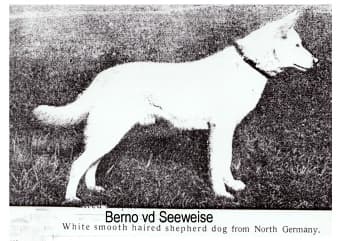
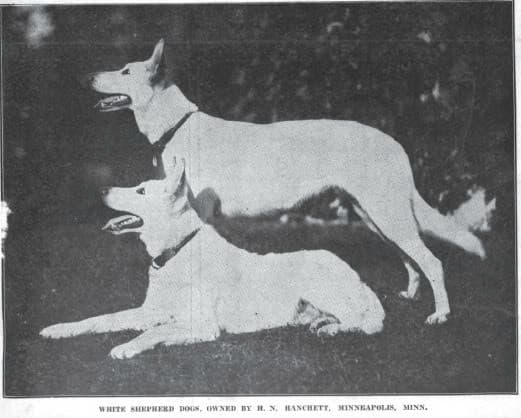
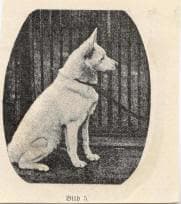
Berno von der Seewiese, one of the early white shepherd dogs in the breed story
Early evidenceSource: old website archive / breed history materials
1913

Berno proves white was there from the beginning

Berno von der Seewiese, born in 1913 and entered into the studbook, became one of the important symbols of white coat history inside the shepherd world. For breed lovers, this matters: white was not a modern surprise, but part of the early genetic background.

Historical white shepherd from North American breed materials
American rootsSource: old website archive / breed history materials
1917

A white litter in America changes the direction

White puppies born in the United States from colored parents helped strengthen the North American white shepherd foundation. Those lines later became essential when white-coated shepherds were rejected in parts of Europe.

Historical white shepherd from breed history materials
Preserved linesSource: old website archive / breed history materials
1920s

White lines continue across the ocean

As European shepherd dogs reached North America, several white lines were preserved by breeders who valued structure, temperament, working ability, and stability. That continuity later became essential to the breed we know today.

Horand von Grafrath, the first dog in the German Shepherd studbook
Identity struggleSource: old website archive / breed history materials
1930-1976

The decades when white was pushed out

For many years, the white coat became controversial inside the German Shepherd world. Old claims connected white color to various problems, although modern knowledge later rejected many of those assumptions. By 1961 white was formally unwanted, and by 1976 it was listed as a disqualifying color in the German Shepherd standard. That rejection created the need for a clear independent identity.

White shepherd lines preserved in North America
Temperament and typeSource: old website archive / breed history materials
1960s

Dedicated breeders protect the white shepherds

During the 1960s and 1970s, while white-coated shepherds were controversial in some circles, North American breeders and clubs continued to breed and present quality white shepherds. Their commitment became a turning point.

Historical white shepherd with noble presence
Movie historySource: old website archive / breed history materials
Hollywood

White shepherds reach the screen

In the United States, white shepherds also gained attention in film. Trainer and breeder Dorothy Crider showed intelligent, trainable, camera-ready white shepherds to a wider public. Chinook appeared in many films, and his son White Shadow Crider continued that legacy as one of the white shepherds associated with American movie history. This did not create the breed, but it helped people see the intelligence and working ability behind the striking white appearance.

Lobo White Burch, a central dog in the European foundation of the breed
LoboSource: old website archive / breed history materials
1966

Lobo is born in the United States

Lobo White Burch was born on March 5, 1966. He later became so central to the Swiss story that the breed standard refers to him as one of the key fathers of the breed in Switzerland.

Lobo White Burch and the Swiss foundation story
Agatha Burch and LoboSource: old website archive / breed history materials
1967

Lobo arrives in Switzerland

The arrival of Lobo White Burch in Switzerland became a defining moment. Agatha Burch, a Swiss citizen who had lived in the United States, returned to Switzerland with Lobo and brought with her one of the dogs that would change the future of white shepherds in Europe. She later imported White Lilac of Blinkbonny from England, and together with dogs from Canada and the United States, they helped form the European foundation of the modern White Swiss Shepherd.

White shepherd lines in Europe during the foundation period
New European baseSource: old website archive / breed history materials
1970s

Europe builds a new foundation

In the early 1970s, more white shepherds came to Switzerland and Europe from the United States, Canada, and England. Together with Lobo and dogs such as White Lilac of Blinkbonny, these imports formed the foundation for the modern European White Swiss Shepherd.

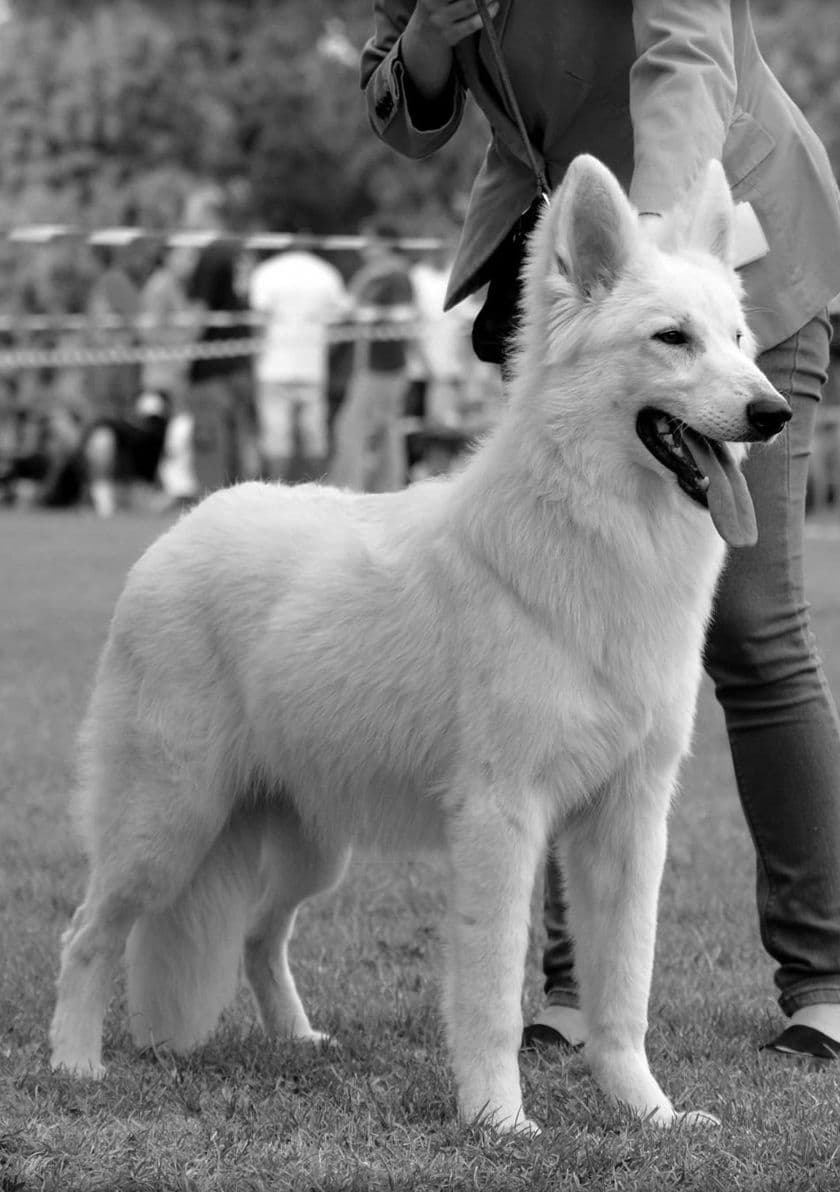
Modern White Swiss Shepherd in correct profile
Standard and recordsPhoto: Star of David
1991

Switzerland begins formal registration

Swiss kennel authorities began registering white shepherds in a supplementary studbook and shaping a breed standard. This moved the dogs from beloved lines into a structured breed identity with professional responsibility.

North American white shepherd, part of the separate registration background
Separate registrationSource: old website archive / breed history materials
1999

The White Shepherd receives separate UKC registration

The United Kennel Club in the United States began recognizing the white dogs as White Shepherds. This shows the global complexity of the breed: in FCI countries it is the White Swiss Shepherd, while North America also preserves the historical identity of the White Shepherd.

Modern White Swiss Shepherd after international recognition
FCI recognitionPhoto: Star of David
2002

First international recognition

Initial FCI recognition gave the breed a formal stage. Judges could specialize, breeders received a clearer framework, and families worldwide began discovering a breed that combines rare beauty with balanced family temperament.

White Swiss Shepherd in Israel from the Star of David archive
Israel 2007Photo: Star of David
2007

Israel enters the documented story

In 2007, White Swiss Shepherds were first entered into the Israeli studbook after imports from France and Denmark, and a first documented litter appeared in Israel. From that point, the breed had a registered Israeli story: shows, local champions, and a professional breeding path.

Star of David White Swiss Shepherd kennel in Israel
Since 2007Photo: Star of David
2007

Star of David grows with the breed in Israel

Since 2007, Star of David has lived and raised White Swiss Shepherds with love. As the breed entered the Israeli studbook and gained recognition locally, we grew through deep study, international experience, and a long-term commitment to the breed.

White Swiss Shepherd in show stance
Full recognitionPhoto: Star of David
2011

Full FCI recognition

On July 4, 2011, the breed received full FCI recognition. The White Swiss Shepherd became an internationally recognized breed with an official standard and a clear place among shepherd breeds.

White Swiss Shepherd standing in profile
Breed separationPhoto: Star of David
2013

The FCI clarifies the border between two breeds

The FCI clarified that the German Shepherd and White Swiss Shepherd are separate breeds: they should not be crossed, and a white German Shepherd should not simply be re-registered as a White Swiss Shepherd. For families, this is why pedigree, correct registration, and transparency matter.

White Swiss Shepherd in movement
Wider recognitionPhoto: Star of David
2017-2018

The United Kingdom joins official recognition

The breed also received official recognition in the United Kingdom, followed by a local standard. It was another step in the breed’s move from a specialist kennel-world story to a recognized international family and show breed.

White Swiss Shepherd reminiscent of a family movie hero
Children's culturePhoto: Star of David
2008

Bolt brings the white shepherd image to children

Disney’s animated film Bolt does not define Bolt as a formal breed inside the story, but the character is built around the image of a heroic, intelligent, loyal white shepherd-type dog. For many children and families, Bolt became an early emotional encounter with a look associated with white shepherds, white German Shepherds, and White Swiss Shepherds. It is not a pedigree claim, but it is part of the cultural power of these dogs: they are remembered as noble, brave, and deeply bonded to people.

White Swiss Shepherd in show setting
Israeli pridePhoto: Star of David
Israel to the world

Israeli-born descendants reach international homes

One of the proud Star of David stories is that puppies born in Israel have reached families and breeders in different countries. When an Israeli-born dog is valued abroad, it proves that knowledge, responsibility, and love can travel far beyond the kennel.

White Swiss Shepherd looking forward
Next generationPhoto: Star of David
Today

A modern family dog with professional history behind it

Today, the White Swiss Shepherd is more than a beautiful dog. It is a sensitive, intelligent companion for families that understand guidance, exposure, boundaries, and love. For us, history creates responsibility: to breed thoughtfully and support families beyond the day the puppy goes home.

Meaning for families

Choosing a White Swiss Shepherd puppy from a professional kennel means choosing more than appearance: carefully selected parents, health and DNA screening, breed expertise, responsible matching, and support after the puppy joins your family.

1

Parents with background, records, and titles

2

Health and DNA screening in the breeding program

3

Guidance before and after the puppy comes home

4

Work within Israeli and international kennel frameworks

Tell us about your family, routine, experience, and expectations. We will help you understand whether this breed is right for you and what kind of puppy may fit best.